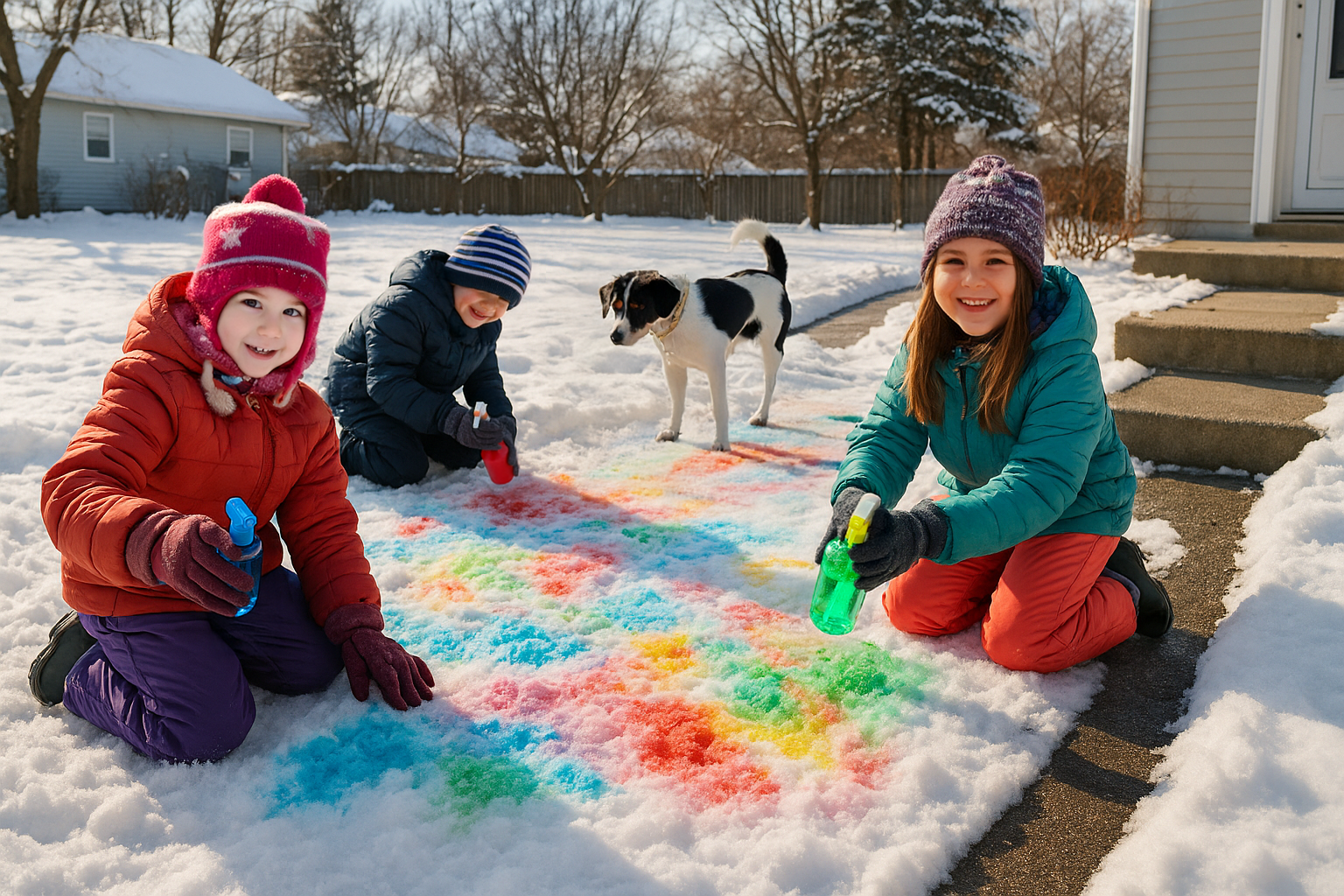
Winter in Southeast Michigan doesn’t have to mean choosing between outdoor fun and a healthy lawn come spring. Snow days are made for memories—epic snowball fights, racing down snowy hills, happy dogs, and kids laughing in the cold. And the best part? You can enjoy it all without sacrificing your lawn, without ending up with bare spots, and beat‑up turf.
With a few smart winter habits—like playing on fresh snow instead of frozen turf, avoiding compacted “shortcut” paths, managing salt near driveways, and watching for post‑melt snow mold—you can protect your grass all winter long. We’ll show you how!
We’ve rounded up 17 creative, family‑friendly snow games/activities and simple, practical lawn‑saving tricks tailored for Southeast Michigan families. Keep the fun going outside while keeping your lawn healthy underneath—it’s absolutely possible, and we’re here to guide you through it.

First, a 30‑second science check (so your lawn survives the fun)
When the ground is frozen, grass blades and crowns turn brittle. Walking or playing on frozen turf can crush those delicate tissues and compact the soil underneath — damage that often shows up months later as thin, streaky, or bare patches when spring arrives.
A fresh layer of snow acts like insulation, keeping your lawn protected from extreme cold. Problems only start when:
- Snow gets packed down into solid ice (from repeated foot traffic), or
- A deep snow layer sits on damp, unfrozen soil.
Here in SE Michigan, winters don’t stay consistently frozen. Instead, we get waves of cold snaps, mid‑winter warmups, rain‑snow mixes, and refreezing. Those constant temperature swings increase the risk of:
- Snow mold (thanks to melting and refreezing), and
- Salt‑related lawn damage near driveways, walkways, and steps — a major reason many yards look rough in March.
The Big “Do / Don’t” for Winter Play
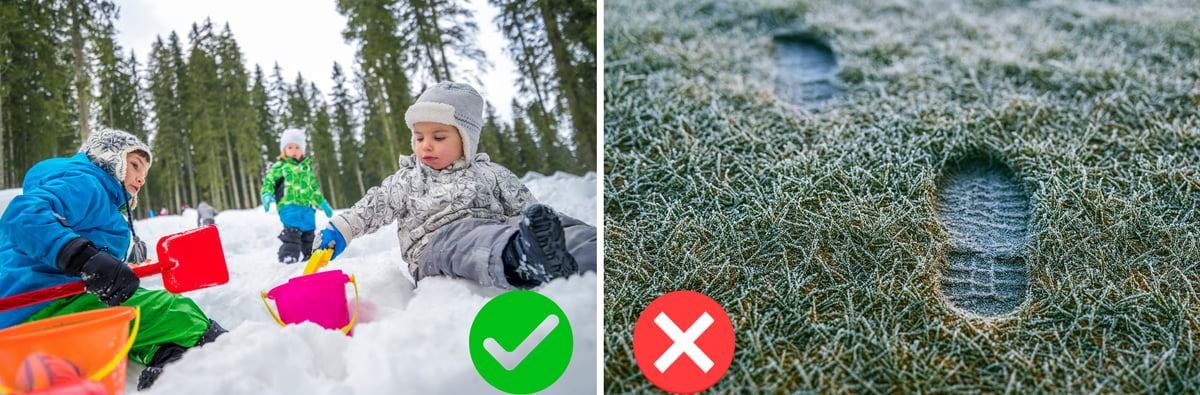
Soft snow = go.
Exposed or frosty grass = no.
And here’s what that actually looks like in real life:
DO: Play on Areas With a Good Layer of Soft Snow
A few inches of soft, fluffy snow act like a natural cushion. When there’s a few inches of soft snow on the lawn, it absorbs the pressure from footsteps, sledding, zooming dogs and shields the grass beneath . Even when the soil underneath is partially frozen (very common in SE Michigan), the snow blanket spreads out the impact.
Best places for winter fun:
- Areas with 2–3+ inches of soft snow
- A designated “winter play zone” (snow angels, snow art, snowball battles)
- Spots that you can rotate every few days so the same patch isn’t constantly trampled day after day
Why this matters: Snow protects the turf; exposed frozen turf does not.
Why this works: Soft snow distributes weight → less compaction → fewer spring bare spots. This is different from walking directly on exposed frozen turf, which is when the grass blades snap.
DON’T: Step on Frozen Turf That’s Bare, Frosted, or Thinly Covered
This is the turf‑damage danger zone.
When the ground is frozen and you can actually see the grass, the turf becomes extremely fragile. The blades and crowns turn brittle, and even light foot traffic can crush them and compact the soil underneath. You won’t notice the damage right away—but come spring, it shows up as weak, straw‑colored streaks and thin patches.
To protect your lawn, avoid these high‑risk situations:
- Frosty grass in the morning
- Frozen turf with blades showing through
- Thin or patchy snow cover
- Bare ground after a freeze
- Muddy/thawed soil that refreezes overnight
- Avoid walking out to the mailbox across the lawn
- The same repeated shortcut paths (to the mailbox, trash cans, or side door, etc)
- Letting kids/dogs play on crunchy, exposed grass
If the turf is visible and the soil is frozen, take a different route—just for winter. If a shortcut is unavoidable, use stepping stones, rubber mats, or temporary walkway tiles to protect the grass beneath. Bottom line:If you can see the grass, skip stepping on it. Your spring lawn will thank you.
Home Owner Tips

1. Create a “Winter Traffic Plan”
Simple, but most people never think about it. Before heavy snow arrives, decide:
- Where people will walk
- Where kids will play
- Where the dog gets let out
- What areas are “no‑step zones” until the spring
The truth is, most homeowners rarely do this, but it prevents accidental, repeated turf damage. Marking paths early keeps the yard from becoming a maze of ruts later.
2. Rotate Your Play Zones Every Few Days (For Light, Casual Play)
If the kids (or the dog!) always drift toward the same sledding bump or snow‑play corner, give that spot a breather every few days and move the fun to a fresh, snow‑covered area.
For lighter winter activities—like making snow angels, colorful snow art, building mini forts, or just casually exploring the yard—rotating the play zone helps prevent one patch from getting worn down little by little.
Shifting these low‑impact activities around the yard keeps your snow cover fluffy, reduces the chance of unintentionally packing one area into ice, and spreads out compaction. That means your lawn has a much better shot at bouncing back thick and healthy once spring rolls around.

3. Build a Temporary Snow Track (For High‑Energy Traffic Only)
If you have kids or dogs who love to run laps, zoom in circles, or repeat the same high‑energy movement over and over, create a dedicated snow track or mini racetrack in one intentional spot. Packing down a loop in a single area keeps that repetitive traffic contained and prevents deep compaction across the rest of your lawn.
This is different from general winter play. Low‑impact fun (like snow art or casual play) should still be rotated around the yard every few days to spread out wear safely. By directing all that high‑energy winter action into one designated spot, you shield the rest of your lawn from constant pounding—and still let the fun roll full speed ahead.
The truth is, repeated sled runs pack snow into ice, increasing crown suffocation risk and compaction underneath. If your yard is the neighborhood hill, rotate lanes and give areas “rest days.” For bigger sledding energy, head to public hills designed for it.
4. Use “Winter Mats”in High‑Traffic Lawn Areas for Problem Shortcuts
Some parts of the yard get walked on no matter what—like the path to the mailbox, the route to the trash bins, or that narrow side‑yard shortcut. These repeated winter footsteps can create ruts, compact the soil, and leave the lawn struggling to recover in spring.
Laying down rubber mats, interlocking tiles, or sturdy stepping stones during winter gives those spots a temporary protective walkway. They absorb the pressure, prevent soil compaction, and keep muddy or frozen shortcuts from turning into long‑term damage.
Perfect for:
- Trash‑day paths
- Mailbox walks
- Side‑yard foot trails
- Any “shortcut” your family takes all winter long
By giving these high‑traffic areas a durable winter surface, you protect the soil structure underneath and save yourself from springtime lawn repairs.
5. Avoid Piling Snow in the Same Spot All Season
It’s tempting to toss all the shoveled snow into one big mountain, but that giant pile causes problems later. Large snowbanks stay frozen far longer than the rest of your yard, leaving the grass beneath cold, soggy, and more likely to develop snow mold once spring arrives.
Instead, switch up the direction you throw or stack snow throughout the season. Rotating where those piles land keeps any one area from staying buried and frozen for weeks, reducing the risk of sogginess, mold growth, and weakened turf when the thaw finally comes.
17 Fun, Snow Games/Activities For Yards (Kids + Pets)
A FewQuick Winter Must- Knows Before You Head Outside...

Salt, Snow, & Sidewalks: Protecting Lawn Edges (Quick Tip)
Winter salt may keep your driveway safe, but it’s tough on your lawn. Rock salt can dry out roots and cause those classic brown “burn strips” along sidewalks and driveways in spring. To reduce damage, use gentler de‑icers like CMA or magnesium chloride, and always sweep excess salt back onto the pavement. Want deeper protection? Try a simple winter barrier like staked burlap or a short snow fence to block salty slush splash.
Snow Mold: What SE Michigan Homeowners Ask Every January
“Why do I see gray or pink fuzzy circles after the snow melts?”
Those strange spots are usually snow mold, a very common winter lawn fungus in Michigan. It forms when snow sits on the lawn for a long stretch — especially if leaves, toys, or debris were trapped under it and kept the grass wet and matted.
Quick fix:
As soon as the lawn dries a bit, gently rake the matted patches to lift the grass. Most snow mold areas recover naturally once warmer weather returns. For more info click here:[blog.lushlawn.com]
“Did playing in the yard cause this?”
Short answer: Not really. Snow mold is mainly caused by weather conditions — long-lasting snow cover + trapped moisture. Play can contribute slightly if you repeatedly pack snow into icy layers or leave objects buried in the snow, but it’s rarely the true cause. For more details or prevention tips, check out our snow mold guide: [blog.lushlawn.com]

Day‑of‑Play Checklist (Print & Stick on the Fridge)
- Paths cleared? Keep sidewalks/driveways clean so no one “shortcuts” across turf.
- Play zones picked? Choose deeper, fluffy snow—not thin frost over bare ground.
- Salt smart? Use plant‑friendlier de‑icers and sweep granules back onto pavement.
- Pet area set? Same corner, mulch/gravel, keep a watering can handy for thaws.
- Rotate. Change up lanes/areas to prevent compaction
Snow Days, Safe Lawns, and Cherished Moments
Your yard is more than grass—it’s where memories happen. And winter should be no exception. With thoughtful play spaces, gentle lawn habits, and a little awareness of what your turf needs, you can savor every snowy adventure while still preserving the space your family enjoys year‑round. So go ahead: build the snowmen, race the sleds, let the dog chase snowflakes. When the snow finally melts, your lawn will thank you for the care—and reward you with the lush spring green‑up you’ve been looking forward to.