

What Is the Best Way to Get a Thick Lawn in Southeast Michigan?
The best way to grow a thick lawn in Southeast Michigan is to focus on healthy soil, strong grass roots, and consistent seasonal maintenance. A thick lawn requires more than just fertilizer; it requires the right combination of:
- Core aeration to relieve soil compaction
- Overseeding to introduce new grass plants
- Proper fertilization throughout the growing season
- Correct mowing practices
- Adequate watering
- Weed and pest prevention
- Improving overall soil health
Michigan lawns are typically made up of cool-season grasses like Kentucky bluegrass, perennial ryegrass, and tall fescue. These grasses perform best when they receive the right care throughout spring, summer, and fall.
1. Start With Healthy Soil
Healthy grass starts below the surface. If your soil is compacted, nutrient-deficient, or unable to absorb water properly, your lawn will struggle to become thick and full.
Many Southeast Michigan lawns experience soil compaction because of:
- Heavy foot traffic
- Kids and pets playing on the lawn
- Mowing equipment
- Michigan’s clay-based soils
Compacted soil prevents grass roots from accessing water, oxygen, and nutrients.
How to Improve Lawn Soil Health:
- Test your soil to understand nutrient levels and pH
- Add nutrients based on your lawn’s needs
- Aerate compacted soil to improve root growth
- Maintain proper organic matter levels
A healthier soil environment creates stronger roots, which leads to thicker grass.
2. Aerate Your Lawn to Help Grass Roots Grow
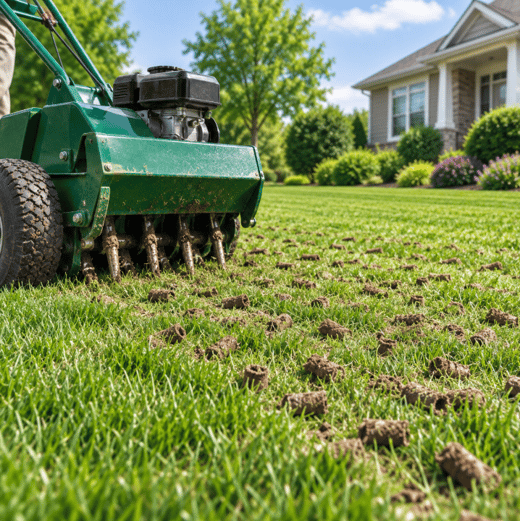
Core aeration is one of the most effective ways to improve lawn thickness in Michigan.
During aeration, small plugs of soil are removed from your lawn to:
- Reduce soil compaction
- Improve water absorption
- Allow oxygen to reach grass roots
- Help fertilizer reach deeper into the soil
- Create ideal conditions for new grass seed
For Southeast Michigan lawns, early fall is typically the best time for aeration because cool-season grasses are actively growing and can recover quickly.
3. Overseed to Fill Thin Areas and Create New Growth
Even healthy lawns naturally lose grass plants over time. Overseeding introduces new grass seed into your existing lawn to improve density and fill thin areas.
The best time to overseed in Southeast Michigan is usually late summer through early fall because:
- Soil temperatures are ideal for seed germination
- Cooler temperatures reduce stress on new grass
- Fall rainfall supports growth
- Weeds are less aggressive
For the thickest results, pair overseeding with core aeration. The aeration holes provide the perfect environment for new seed to establish.
4. Follow a Proper Fertilization Schedule
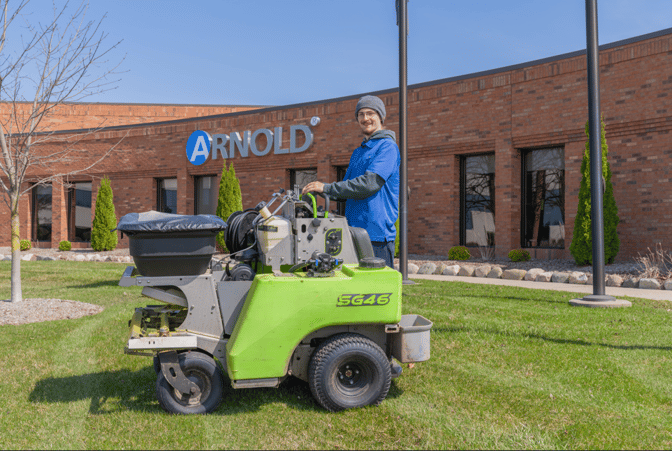
Grass needs the right nutrients at the right time. Applying fertilizer randomly can lead to weak growth, excessive weeds, or unnecessary stress.
A professional lawn fertilization program typically focuses on:
Spring:
- Encouraging healthy green-up
- Supporting root development
Summer:
- Maintaining lawn strength during heat and drought stress
Fall:
- Building strong roots before winter
- Preparing grass for the following spring
Fall fertilization is especially important in Michigan because grass continues growing roots even as above-ground growth slows.
5. Mow Your Lawn Correctly
Improper mowing is one of the most common reasons lawns become thin.
Best mowing practices for a thicker lawn:
-Keep your mower blade sharp
A dull blade tears grass blades, making them more vulnerable to disease.
-Avoid cutting too short
Most Southeast Michigan lawns perform best when maintained around 3–4 inches tall.
-Follow the one-third rule
Never remove more than one-third of the grass blade height at one time.
-Leave grass clippings behind
Grass clippings return nutrients back into the soil.
A taller mowing height encourages deeper roots and helps grass compete against weeds.
6. Water Your Lawn Properly
Many homeowners either underwater their lawn or water too frequently with shallow watering.
A healthy lawn typically needs about 1 inch of water per week, including rainfall.
Best watering practices:
- Water deeply and less frequently
- Water early in the morning
- Avoid frequent light watering
- Pay attention to drought stress
Signs your lawn needs more water include:
- Grass blades turning gray or blue
- Footprints remaining after walking across the lawn
- Curling grass blades
- Slow recovery after mowing
7. Prevent Weeds From Taking Over
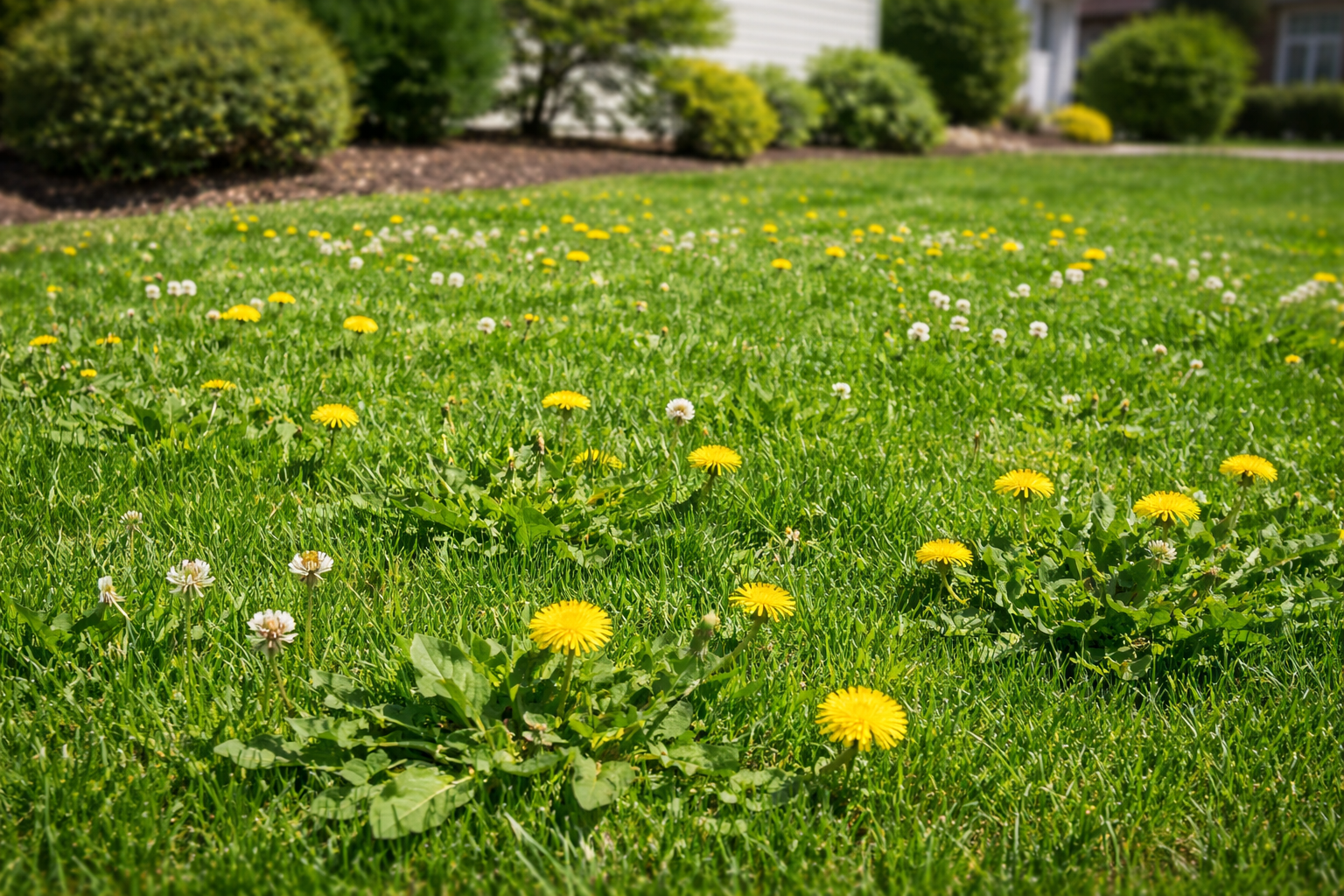
Weeds compete with grass for:
- Sunlight
- Water
- Nutrients
- Space
A thin lawn creates opportunities for weeds to spread.
The best weed control strategy is prevention through:
- Maintaining thick grass coverage
- Proper fertilization
- Applying pre-emergent treatments when needed
- Addressing bare spots quickly
The thicker your lawn becomes, the better it can naturally prevent weeds.
8. Watch for Lawn Pests That Damage Grass
Insects can quickly reduce lawn thickness if left untreated.
Common Southeast Michigan lawn pests include:
Grubs
Grubs feed on grass roots and can cause:
- Brown patches
- Loose turf
- Grass that lifts easily
Chinch Bugs
Chinch bugs damage grass by feeding on plant tissue and can be mistaken for drought stress.
Other Lawn Insects
Certain pests can weaken grass plants and make recovery more difficult.
Preventative lawn treatments can help protect your investment and keep your lawn dense.
9. Prepare Your Lawn for Michigan’s Seasons
Michigan lawns face different challenges throughout the year.
Spring:
- Clean up debris
- Address weeds
- Encourage healthy growth
Summer:
- Maintain proper mowing height
- Water during dry periods
- Watch for heat stress and insects
Fall:
- Aerate
- Overseed
- Fertilize
- Prepare grass for winter
Winter:
- Avoid excessive traffic on frozen grass
- Clear leaves before snow cover
How Long Does It Take to Get a Thick Lawn?
The timeline depends on your lawn’s current condition.
Minor thinning:
You may see improvement within one growing season.
Significant thinning or bare areas:
It may take multiple seasons of proper care to build a dense lawn.
The most noticeable improvements usually come after combining:
- Aeration
- Overseeding
- Fertilization
- Proper maintenance
Should I Hire a Professional Lawn Care Company to Thicken My Lawn?
Many homeowners struggle to get consistent results because lawn care requires proper timing, product selection, and knowledge of local conditions.
A professional lawn care company can help by:
- Identifying lawn problems
- Creating a customized treatment plan
- Applying products at the correct time
- Monitoring lawn health throughout the season
- Addressing weeds, pests, and diseases before they become major problems
For Southeast Michigan homeowners, working with a local lawn care expert who understands Michigan soil, weather patterns, and grass types can make a significant difference.
Final Thoughts: The Secret to a Thick, Healthy Lawn
The secret to a thick lawn in Southeast Michigan is consistency. Healthy lawns are built over time through proper soil care, aeration, overseeding, fertilization, mowing, watering, and pest prevention.
If your lawn looks thin, stressed, or uneven, the solution is usually not a quick fix—it’s a complete lawn health strategy.
At Lush Lawn, we help Southeast Michigan homeowners build thicker, healthier lawns with customized lawn care programs designed for Michigan’s unique growing conditions.
Ready to transform your lawn? Contact Lush Lawn today to create a plan for a greener, thicker yard.
Frequently Asked Questions
What is the fastest way to make my lawn thicker?
The fastest way to improve lawn thickness is usually combining core aeration with overseeding in the fall. This creates better growing conditions and introduces new grass plants into thin areas.
What month should I overseed my lawn in Michigan?
The best time to overseed a lawn in Michigan is typically late August through September when temperatures are cooler and grass growth is strong.
How often should I aerate my lawn in Southeast Michigan?
Most lawns benefit from aeration once per year, especially lawns with clay soil or heavy foot traffic.
Why is my Michigan lawn thin even though I fertilize?
Fertilizer alone may not solve lawn thickness problems. Thin lawns often need improved soil conditions, better root growth, overseeding, or pest and weed management.
What grass types grow best in Southeast Michigan?
Kentucky bluegrass, perennial ryegrass, and tall fescue are common cool-season grasses that perform well in Southeast Michigan when properly maintained.