Protecting Your Lawn During Winter Dormancy
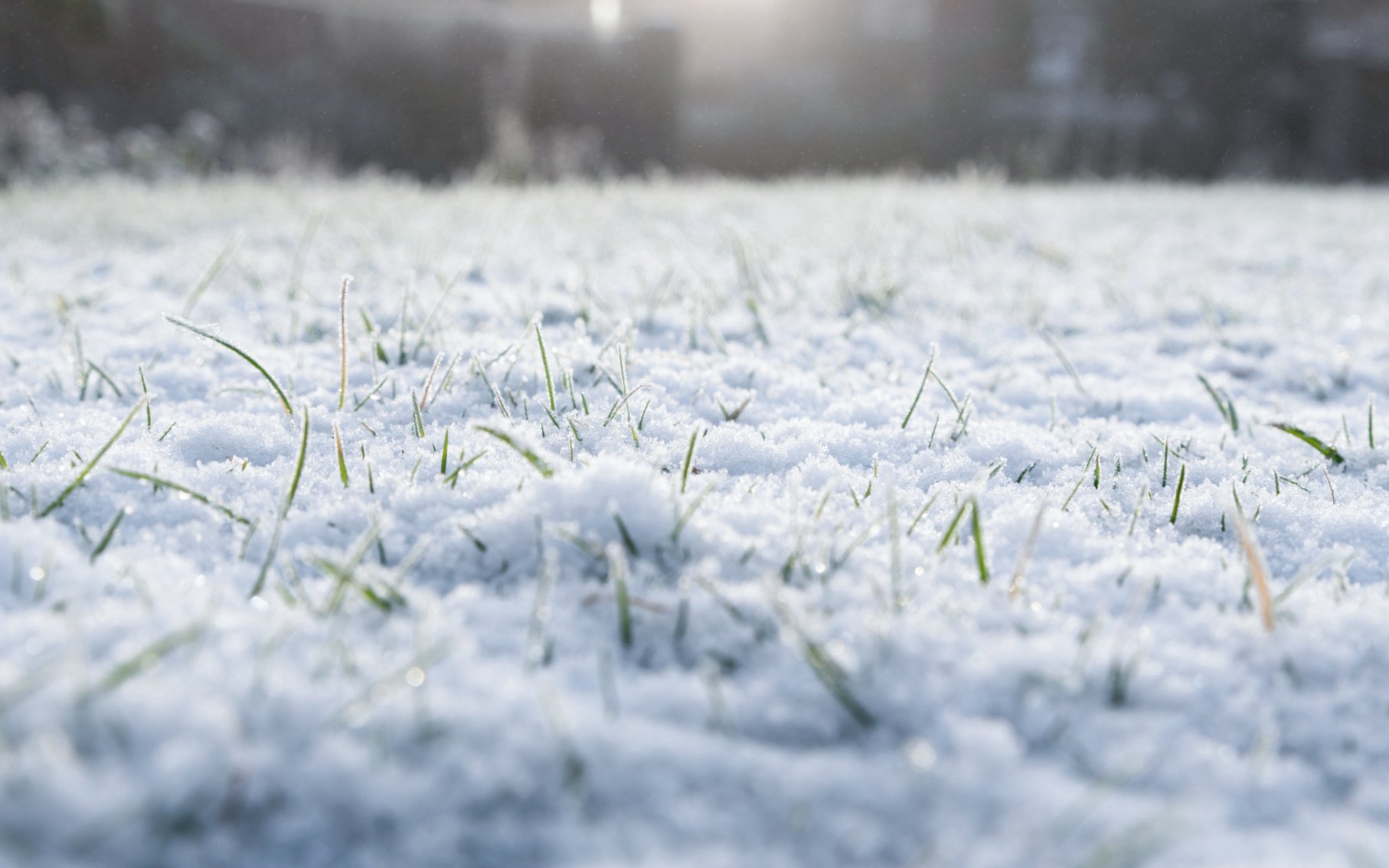
When winter settles in across Michigan, lawns transition into a natural dormancy phase. While dormant turf can handle cold temperatures and snow cover, there’s one winter habit that can quietly cause major damage: walking on frozen grass.
It may seem harmless—after all, the lawn isn’t actively growing—but repeated foot traffic during freezing conditions can leave behind long‑lasting harm that shows up in spring as thinning, bare spots, and compaction. Here’s why frozen grass is so vulnerable and what you can do to keep your turf protected until warmer days return.
Why Frozen Grass Is Easily Damaged
1. Grass Blades Become Brittle When Frozen
When temperatures drop below freezing, the water inside each grass blade solidifies. This turns blades stiff and fragile. So when pressure is applied—like footsteps, pets, or equipment—frozen blades snap or split, causing tissue damage.You won’t always see the injury right away, but you will notice symptoms later, such as:
- Straw‑colored streaks or footprints
- Thin or dead patches
- Slower spring green‑up in impacted areas
2. Dormant Grass Can’t Repair Itself
During winter dormancy, grass pauses growth to conserve energy. This means:
- Damaged blades stay damaged until spring
- Repeated traffic builds up cumulative injury
- Some turf may die off completely
Warm‑season or cool‑season—no grass type actively heals in freezing conditions, making winter damage more severe than you might expect.
3. Frozen Soil Compacts More Easily
When the ground is frozen, the soil structure becomes rigid. Foot traffic creates compaction because the soil can’t flex or absorb impact. Compaction results in:
- Poor root growth
- Reduced nutrient uptake
- Drainage issues
- Weaker spring performance
This is especially common in high‑traffic areas, pathways, and around driveways where people cut corners.

High‑Traffic Areas Are Most At Risk
Certain spots in the yard tend to suffer the most winter wear:
- Walkways to trash bins
- Mailbox paths
- Around driveways and sidewalks
- Pet “favorite routes”
- Kids’ play areas
- Shortcut paths created during snowy weather
If these areas freeze solid, foot traffic almost always results in spring turf decline.
What to Do Instead
1. Create Temporary Pathways
If you know certain areas of the yard get lots of foot traffic, give people a safer and grass‑friendly alternative:
- Lay down pavers, stepping stones, or temporary mats
- Use mulch pathways in commonly traveled zones
- Shovel dedicated paths so people avoid cutting across the lawn
A designated walkway prevents “shortcut damage.”
2. Keep Driveways and Sidewalks Clear
Snow or ice on pavement tempts people to walk across the lawn instead.
Regular snow removal helps reduce accidental turf exposure.
3. Use Pet-Friendly Winter Zones
Pets love walking the same routes, creating repeated impact.
Set up:
- A small designated potty area
- Straw or mulch paths
- A fenced section to limit roaming
This protects the rest of your yard from winter wear.
4. Avoid Parking on the Lawn
Cars or equipment on frozen turf cause:
- Severe compaction
- Deep ruts
- Long recovery times
Even one instance can leave lasting damage.
5. Let Snow Act as a Protective Blanket
Snow insulates grass from brutally cold wind and temperature swings.
Try to avoid:
- Shoveling snow onto the lawn in heavy piles
- Walking across the yard when snow is crusted or icy
The more undisturbed your lawn stays, the healthier it will be in spring.
6. Plan for Spring Recovery
If damage does happen, Lush Lawn can help bring your turf back with:
- Core aeration
- Overseeding
- Fertilization
- Soil testing
- Lawn repair plans
Winter injury isn’t always avoidable, but recovery is absolutely possible with the right care.

A Little Winter Care Goes A Long Way
Walking on frozen grass might not seem like a big deal, but it can create lasting damage that shows up months later. With a little planning—like using temporary paths, clearing walkways, and protecting high‑traffic areas—you can keep your turf strong and healthy through winter.
If your lawn shows signs of damage once spring arrives, our team at Lush Lawn is here to help restore it to its full, green potential.