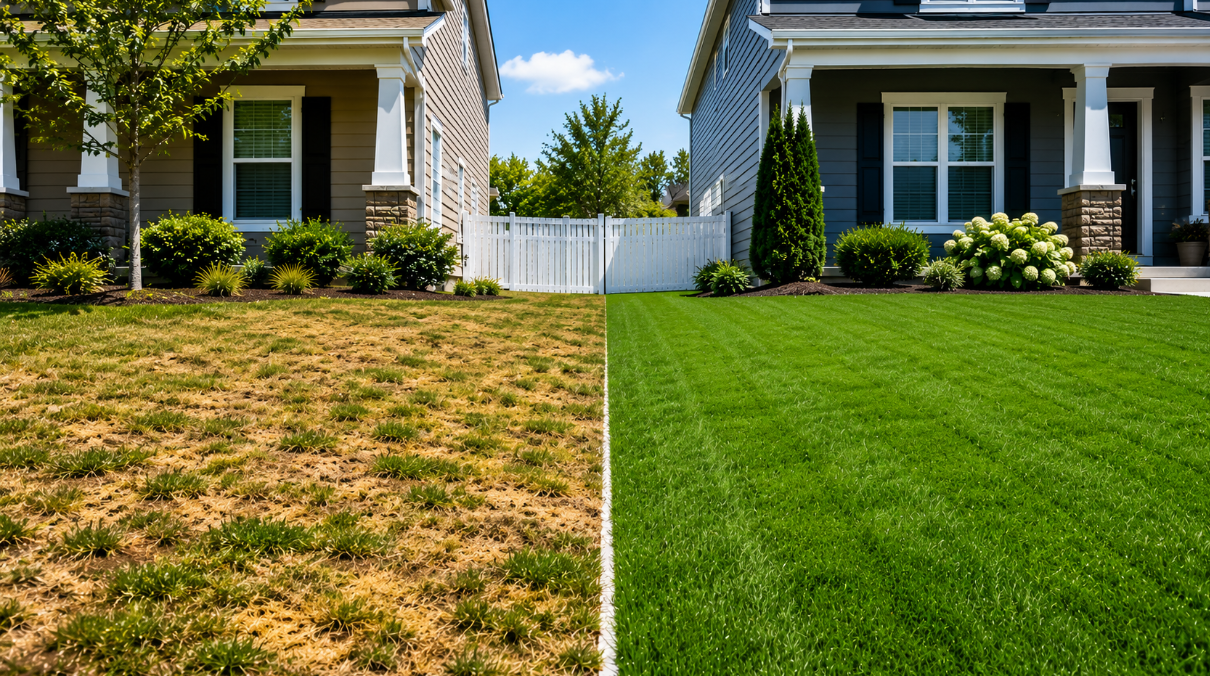
Protect your lawn from devastating disease outbreaks by implementing proactive prevention strategies before summer temperatures trigger fungal growth and turf damage.
Understanding Common Lawn Diseases That Thrive in Summer Heat
As temperatures rise and humidity increases throughout the summer months, your lawn becomes increasingly vulnerable to various fungal diseases that can quickly transform healthy green turf into patchy, discolored areas. Understanding which diseases pose the greatest threat to Southeast Michigan lawns helps you recognize early warning signs and take preventative action before widespread damage occurs.
Brown patch is one of the most common summer lawn diseases, creating circular patches of dead grass that can expand rapidly during hot, humid weather. This fungal disease thrives when nighttime temperatures remain above 68 degrees and daytime temperatures exceed 85 degrees. Another prevalent concern is leaf spot, which initially appears as small purple or brown spots on grass blades and can progress to kill entire plants if left untreated. Pythium blight, often called grease spot, is particularly aggressive during extended periods of heat and moisture, causing grass to appear water-soaked and matted.
Red thread and pink patch diseases become active when temperatures range between 60 and 75 degrees, making spring and early summer critical times for prevention. These diseases create irregular patches of pink or tan grass that can weaken your turf's overall health. Rust diseases develop during warm, moist conditions and give grass blades an orange or yellow powdery appearance. While rust rarely kills grass outright, it significantly weakens turf and makes it more susceptible to other problems.
The key to managing these diseases lies in recognizing that they all share common environmental triggers: excessive moisture, poor air circulation, and stressed turf. By understanding these patterns, you can implement targeted prevention strategies that address the root causes rather than simply treating symptoms after they appear.
Essential Spring Preparation Steps for Disease Prevention

Spring preparation forms the foundation of effective disease prevention for the upcoming summer months. The actions you take during this critical window directly influence your lawn's ability to resist fungal infections and recover from environmental stress. Beginning with a thorough assessment of your lawn's current condition allows you to identify areas that require special attention before summer heat intensifies existing problems.
Start by removing thatch buildup that exceeds half an inch, as excessive thatch creates an ideal environment for fungal diseases by trapping moisture against grass crowns and restricting air circulation. Core aeration performed in spring addresses soil compaction that impedes proper drainage and root development. Our state-of-the-art equipment removes plugs of soil to improve oxygen exchange, water penetration, and nutrient absorption, creating conditions that favor healthy grass growth over disease development.
After aerating, overseeding thin or bare areas with premium disease and insect resistant seed options strengthens your lawn's natural defenses. A dense, healthy turf canopy prevents disease spores from reaching soil surfaces and limits the spread of infections between plants. Proper seed selection matters significantly - choosing grass varieties specifically suited to Southeast Michigan's climate and your lawn's unique conditions ensures stronger establishment and better long-term disease resistance.
Spring is also the optimal time to test your soil pH and nutrient levels. Many fungal diseases thrive in acidic conditions, while balanced soil chemistry supports vigorous grass growth that can outcompete disease organisms. Based on soil test results, you can apply targeted amendments that correct deficiencies and create an environment less favorable to disease development. This proactive approach prevents the nutrient imbalances that often contribute to summer disease outbreaks.
Proper Watering Techniques That Minimize Disease Risk
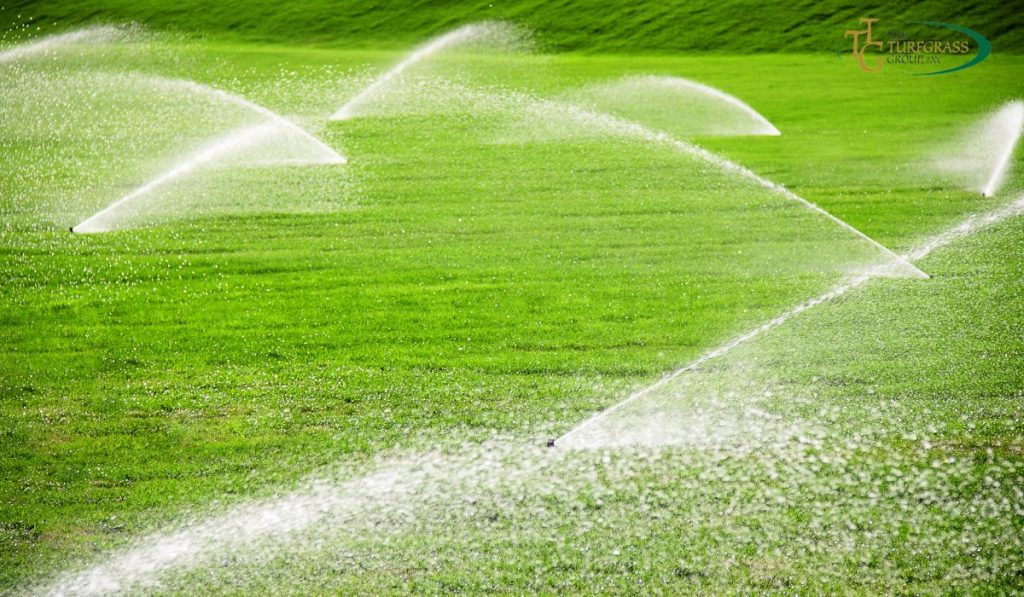
Watering practices have a more significant impact on disease development than nearly any other maintenance factor. Fungal diseases require moisture to germinate and spread, making your irrigation schedule and techniques critical components of any prevention strategy. The timing, frequency, and amount of water you apply can either create conditions that favor disease or support healthy, disease-resistant turf.
Water your lawn deeply but infrequently to encourage deep root development while minimizing the duration that grass blades remain wet. Most established lawns need approximately one inch of water per week, including rainfall, applied in one or two sessions rather than frequent light applications. Deep watering encourages roots to grow deeper into the soil profile, creating a more drought-resistant lawn that maintains better health during summer stress periods.
The timing of irrigation significantly influences disease risk. Always water during early morning hours, ideally between 4 and 10 a.m., allowing grass blades to dry completely before evening. Moisture that remains on grass blades overnight creates perfect conditions for fungal spore germination and infection. If you notice dew on your lawn in the morning, wait until it evaporates naturally before irrigating, as adding more moisture extends the wet period unnecessarily.
Consider implementing Lush Lawn's WaterMax treatment, which reduces irrigation requirements by improving your soil's water-holding capacity and reducing runoff. This treatment helps maintain consistent soil moisture levels without creating the saturated conditions that promote disease development, effectively cutting monthly irrigation needs while supporting healthier turf. Proper watering techniques combined with treatments that improve water efficiency create a balanced moisture environment where grass thrives but disease organisms struggle to establish.
Fertilization and Soil Health Strategies for Disease Resistance
A well-nourished lawn with balanced soil chemistry demonstrates remarkable resistance to disease infections. Strategic fertilization throughout the growing season provides grass plants with the resources needed to maintain strong cell walls, robust growth, and active defense mechanisms against pathogens. However, fertilization timing and formulation matter tremendously - improper applications can actually increase disease susceptibility.
Our seven-step fertilization plan is precisely timed for Southeast Michigan lawns, delivering nutrients when grass can use them most effectively for growth and disease resistance. We apply commercial-grade premium fertilizer products formulated for optimal absorption without burning, ensuring consistent nutrient availability throughout the season. Spring applications focus on promoting vigorous growth and leaf development, while early summer treatments emphasize balanced nutrition that supports stress tolerance without encouraging excessive succulent growth that becomes more disease-prone.
For environmentally conscious homeowners concerned about traditional fertilizers, our natural lawn care program uses organic fertilizers made from feather meal, soybean, and bone meal. These slow-release granular formulations provide sustained nutrition that promotes steady, healthy growth rather than rapid flushes that can weaken plant tissues. Organic matter from these natural fertilizers also improves soil structure and supports beneficial microorganisms that compete with disease-causing fungi.
Soil health extends beyond nutrient content to include biological activity and physical structure. Healthy soil contains diverse beneficial microbes that actively suppress disease organisms through competition and antagonism. Regular applications of organic matter, combined with proper aeration, create an environment where beneficial organisms thrive. Fall fertilization proves especially critical for disease prevention, as it replenishes soil minerals and supports root development that determines your lawn's resilience during the following summer. Our certified lawn diagnosis by trained field technicians ensures that fertilization programs address your lawn's specific needs based on grass type, soil conditions, and existing stress factors.

Professional Lawn Care Services That Keep Turf Healthy Year-Round
While proper maintenance practices form the foundation of disease prevention, professional lawn care services provide expertise, consistency, and specialized treatments that homeowners often cannot achieve independently. Our comprehensive approach to lawn disease preventative care combines scheduled maintenance, expert monitoring, and responsive treatment to keep your turf healthy throughout the year.
Our collaboration with a local turf pathologist provides expert lawn disease support that distinguishes our services from standard maintenance programs. This specialized expertise allows us to accurately diagnose disease problems, implement targeted control strategies, and adjust prevention protocols based on current weather patterns and disease pressure in Southeast Michigan. Our certified technicians receive ongoing training in disease identification and management, ensuring they can recognize early warning signs and take action before minor problems become major concerns.
We offer comprehensive lawn care plans tailored to Michigan's seasons, recognizing that effective disease prevention requires year-round attention rather than reactive treatments after problems appear. Our integrated approach combines precisely timed fertilizer applications, blanket weed control, crabgrass preventer, and treatments that address the seasonal challenges your lawn faces. We also offer a lawn disease preventative treatment with a guarantee to stop diseases from developing on your property and causing damage. This coordinated strategy maintains turf health and vigor that naturally resists disease infections.
When disease issues do arise despite preventative efforts, our guaranteed service ensures prompt response and effective treatment. We provide free service calls and rechecks if treatments prove ineffective, demonstrating our commitment to achieving quality and satisfactory results. Our expertise in lawn disease control specific to Southeast Michigan's climate means we understand the unique challenges your lawn faces and can implement solutions proven effective in our local conditions. With flexible lawn care packages and multiple payment options, professional disease prevention remains accessible for homeowners who want to maintain a lush, resilient, and healthy lawn without investing the time and expertise required for effective do-it-yourself care.