
A healthy, green lawn is one of the most valuable features of any property in Southeast Michigan. However, even well-maintained lawns can become vulnerable to hidden pests beneath the soil surface. One of the most common lawn pests affecting homeowners throughout Michigan is the lawn grub.
Understanding what grubs are, how they damage turfgrass, and what steps can be taken to prevent infestations can help protect your lawn and avoid costly repairs.
What Are Grubs?
Grubs are the larval stage of several species of beetles, including:
- Japanese beetles
- European chafers
- June beetles
- Oriental beetles
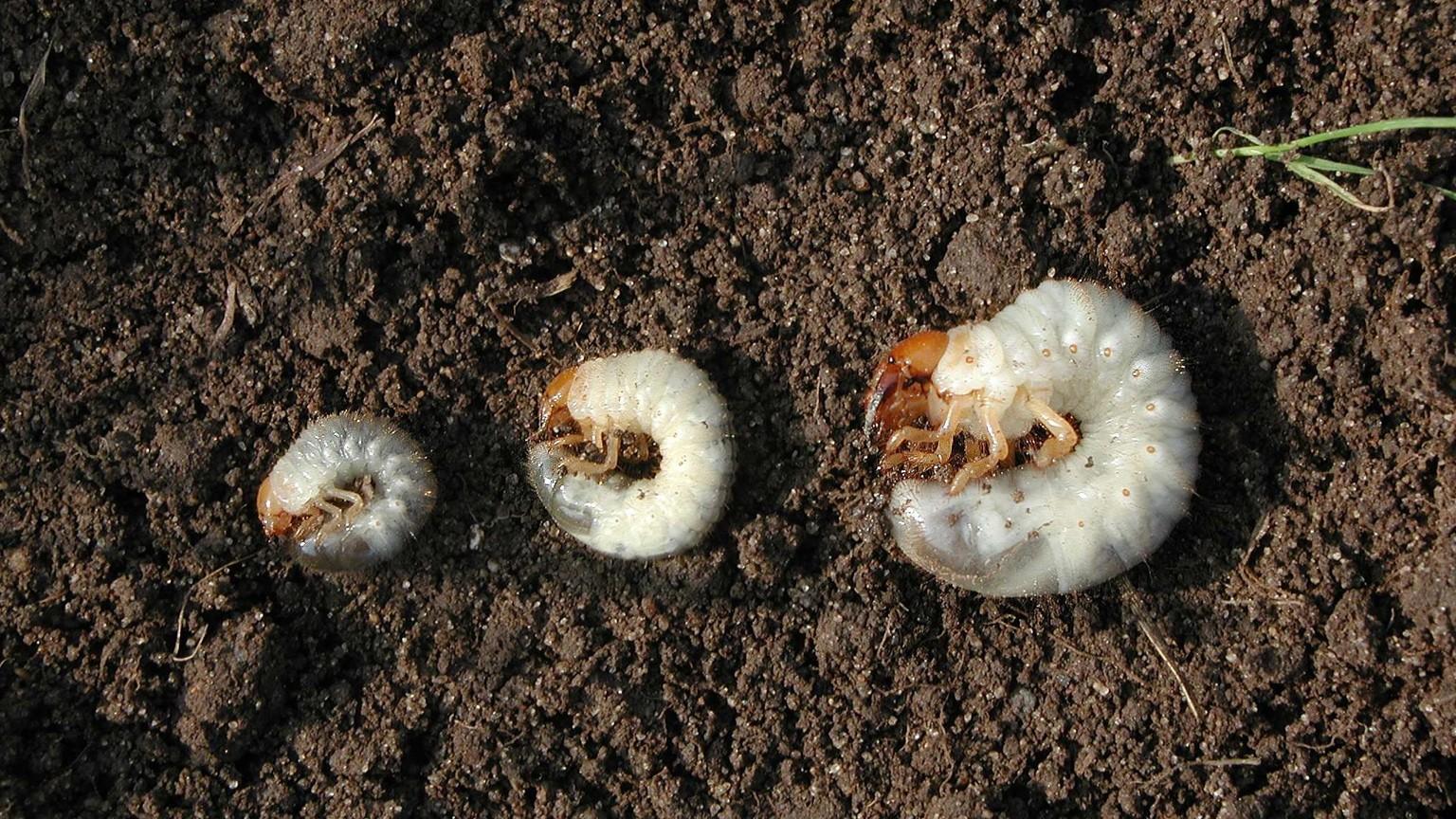
These larvae are white, C-shaped insects that live underground and feed on grassroots. Most grubs have:
- Cream-colored bodies
- Brown heads
- Six legs near the front of the body
- A curved "C" shape when disturbed
Grubs typically live beneath the soil surface, making them difficult to detect until significant lawn damage has already occurred.
Why Are Grubs a Problem for Lawns?
The primary food source for grubs is the root system of turfgrass. As grubs feed, they sever and consume roots that are essential for transporting water and nutrients throughout the grass plant.
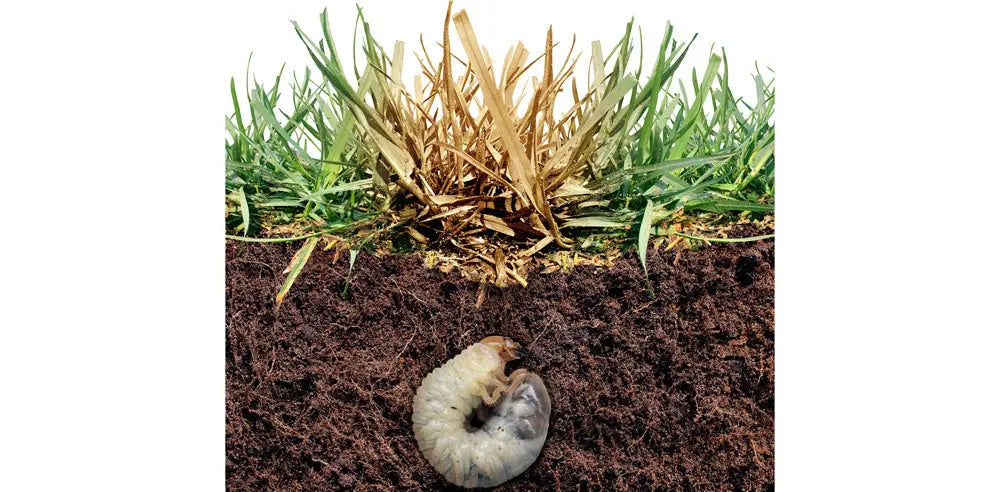
When grub populations become high, lawns may experience:
- Brown patches
- Thinning turf
- Wilting grass despite watering
- Areas of loose sod that can be pulled up like a carpet
- Increased weed invasion
Without a healthy root system, grass struggles to survive summer heat, drought conditions, and normal foot traffic.
Signs of Grub Damage in Southeast Michigan
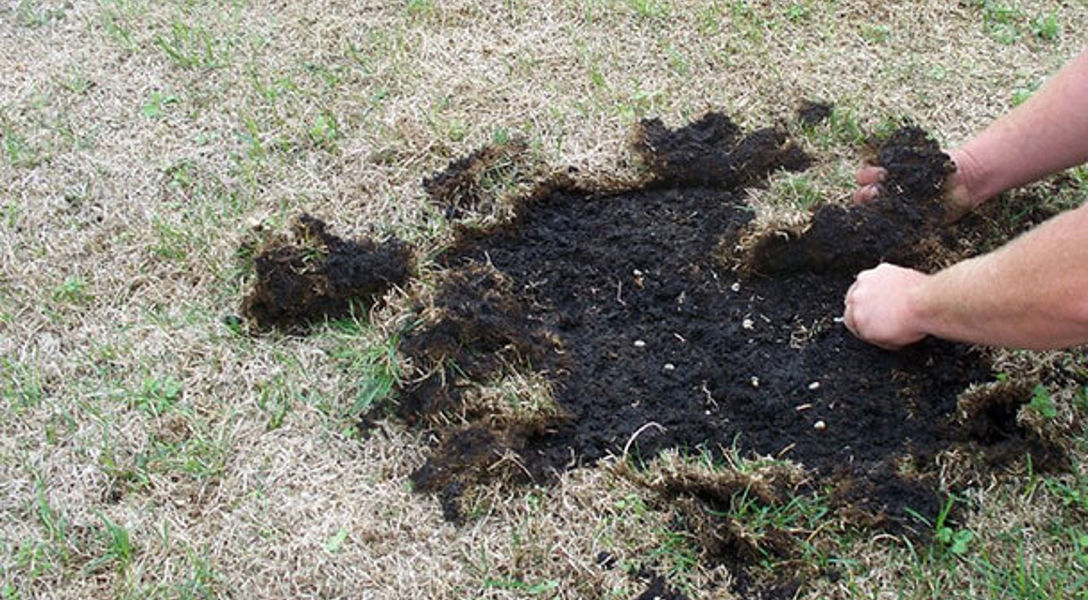
Many homeowners initially mistake grub damage for drought stress or lawn disease.
Common signs include:
Brown Patches That Expand
Grub-damaged areas often begin as small patches that gradually grow larger during late summer.
Turf Lifts Easily
Because roots have been consumed, affected grass may pull away from the soil with very little effort.
Increased Animal Activity
Raccoons, skunks, moles, and birds often dig into lawns searching for grubs as a food source. If you notice frequent digging or torn-up sections of turf, grubs may be present beneath the surface.
Irregular Lawn Decline
Unlike fungal diseases that may follow specific patterns, grub damage often appears in irregular patches throughout the lawn.
When Are Grubs Most Active in Michigan?
In Southeast Michigan, grub activity follows a seasonal lifecycle.
Spring
Overwintered grubs become active as soil temperatures warm and resume feeding on grass roots.
Early Summer
Grubs mature and transform into adult beetles.
Mid-to-Late Summer
Adult beetles lay eggs in lawns. These eggs hatch into young grubs that begin feeding aggressively.
Fall
Grubs continue feeding and storing energy before moving deeper into the soil for winter.
The most severe lawn damage often occurs during late summer and early fall when newly hatched grubs are actively feeding.
Which Lawns Are Most Susceptible to Grubs?
Certain conditions increase the likelihood of a grub infestation:
- Lawns with a history of grub problems
- Irrigated lawns that remain moist during egg-laying season
- Thick, healthy turf that attracts beetles for egg laying
- Areas with high populations of Japanese beetles
- Properties surrounded by untreated lawns
While any lawn can develop grubs, preventative lawn care significantly reduces risk.
How to Check for Grubs
If you suspect grub activity, inspect the soil directly.
- Cut a square section of turf approximately 12 inches by 12 inches.
- Pull back the sod carefully.
- Examine the top few inches of soil.
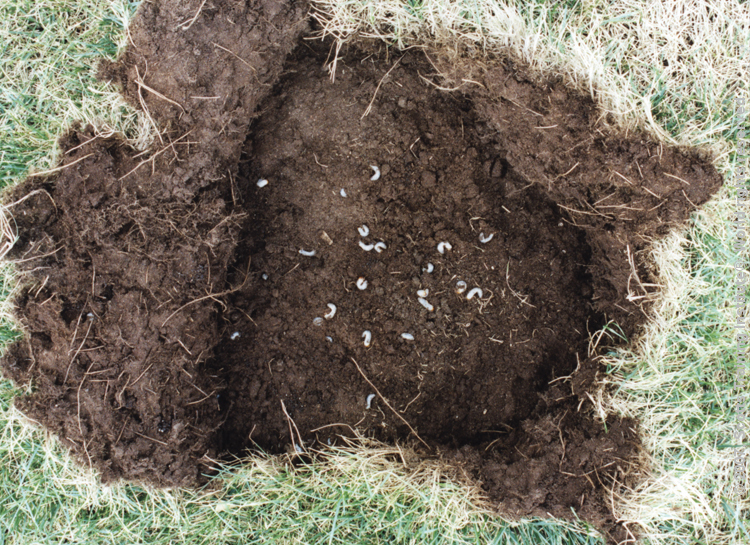
Finding a few grubs is normal. However, populations exceeding approximately 5–10 grubs per square foot may justify treatment, depending on lawn condition and grass type.
How to Prevent Grubs in Southeast Michigan
Prevention is often more effective and less expensive than repairing extensive turf damage.
Maintain a Healthy Lawn
Strong turf with deep roots is better equipped to withstand minor grub feeding.
Best practices include:
- Proper mowing height
- Adequate watering
- Regular fertilization
- Aeration when needed
- Overseeding thin areas
Apply Preventative Grub Control
Preventative grub control products are typically applied during early to mid-summer before newly hatched grubs begin feeding.
Timing is critical. Treatments applied too early or too late may not provide optimal protection.
Professional lawn care providers often monitor local beetle activity and soil conditions to determine ideal application windows.
Reduce Stress During Summer
Heat and drought stress can make grub damage appear much worse.
Proper irrigation during dry periods helps maintain turf resilience and allows grass to recover more effectively.
Schedule Regular Lawn Treatments
Routine lawn treatments can identify and treat developing infestations before widespread damage occurs.
Early detection often prevents the need for expensive lawn renovations.
Frequently Asked Questions About Grubs
Are grubs dangerous to people or pets?
No. Grubs do not bite, sting, or transmit diseases to humans or pets. Their primary impact is damage to turfgrass roots.
Can a lawn recover from grub damage?
Yes. If damage is identified early and treated appropriately, many lawns can recover through fertilization, watering, and overseeding.
Do all brown lawn patches mean grubs are present?
No. Brown patches can also result from drought, fungal diseases, soil compaction, nutrient deficiencies, or pet damage. A proper inspection is necessary to confirm the cause.
What time of year should Michigan homeowners think about grub prevention?
For most Southeast Michigan lawns, preventative planning should begin in late spring and early summer before beetles lay eggs and young grubs emerge.
Protect Your Southeast Michigan Lawn From Grubs
Grubs are among the most common causes of turf damage in Southeast Michigan. By feeding on grass roots beneath the soil surface, they can create brown patches, weakened turf, and conditions that attract skunks, raccoons, and other digging animals.
The most effective approach is a combination of healthy lawn maintenance, seasonal monitoring, and properly timed preventative treatments. Homeowners who address grub issues early can avoid extensive lawn damage and maintain a thicker, greener lawn throughout the growing season.
If you suspect grub activity in your yard, have a professional determine whether grubs are present and recommend the most effective treatment strategy for your specific property and grass type.